
The residential solar installation process typically takes between 6 to 12 weeks in Denver, CO from your initial consultation to flipping the switch on your new system. That might seem like a long time, but most of it involves paperwork, permits, and approvals rather than actual construction work.
Your specific timeline can vary based on factors like permitting speed, utility company schedules, and equipment availability. Let’s break down what happens during each phase so you can set realistic expectations. Contact Suntalk Solar if you’d like to schedule a consult.
Your residential solar installation process begins with a detailed consultation. A solar expert visits your property to evaluate your roof condition, sun exposure, and energy needs. They’ll look at your electric bills, discuss your energy goals, and determine the best system size for your home.
During the site assessment, the installer examines your roof’s age, pitch, and orientation. South-facing roofs generate the most energy in Denver, but east and west-facing options can work well too. They’ll also check your electrical panel to confirm it can handle solar integration.
You’ll receive a customized proposal outlining system size, estimated production, costs, and potential savings. Once you sign the contract, the real process begins.
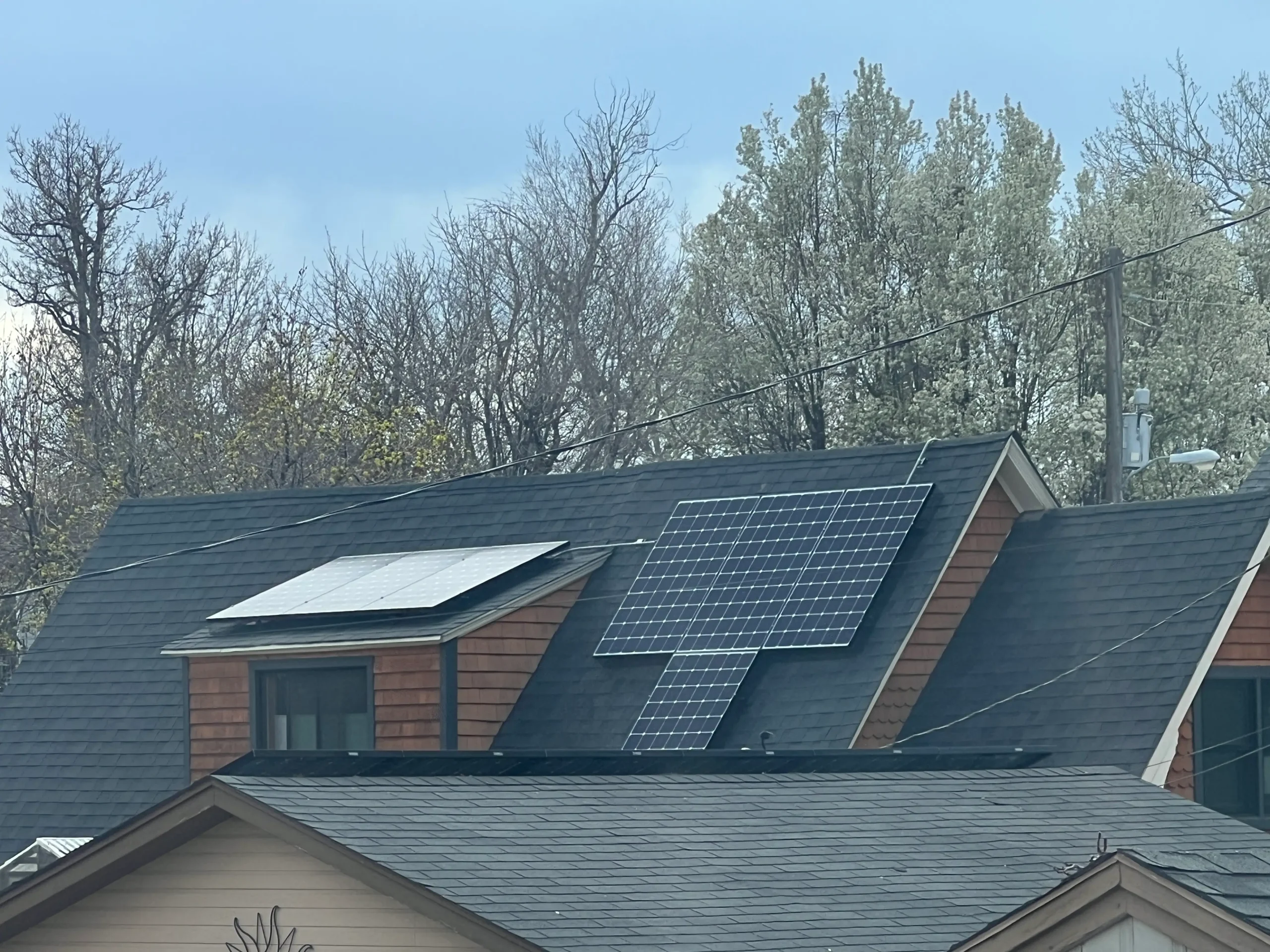
After you commit, engineers create detailed plans for your system. They design the exact panel layout, calculate electrical loads, and ensure everything meets local building codes and HOA requirements if applicable.
These plans become the foundation for your permit applications. Quality design work during this phase prevents problems later and ensures your system performs as promised for decades.
Here’s where the residential solar installation process often hits its longest delay. Denver requires building permits for solar installations, and processing times vary depending on the city’s workload.
Your installer handles the permit submission, but the approval timeline is mostly out of their control. The city building department reviews your plans to verify they meet electrical codes, structural requirements, and zoning regulations.
You’ll also need approval from your utility company to connect to the grid. This interconnection agreement allows your system to feed excess power back to the grid. The utility review typically takes 2-4 weeks but can stretch longer during busy periods.
HOA approval adds another layer if you live in a community with architectural guidelines.Colorado law protects your right to install solar, but HOAs can impose reasonable restrictions on placement and appearance.
While permits are pending, your installer orders your solar panels, inverters, racking, and other components. Most equipment arrives within a couple of weeks, though supply chain issues or specialty items can cause delays.
High-demand seasons (spring and summer) sometimes create equipment backorders. Your installer should keep you updated if equipment delivery impacts your timeline.
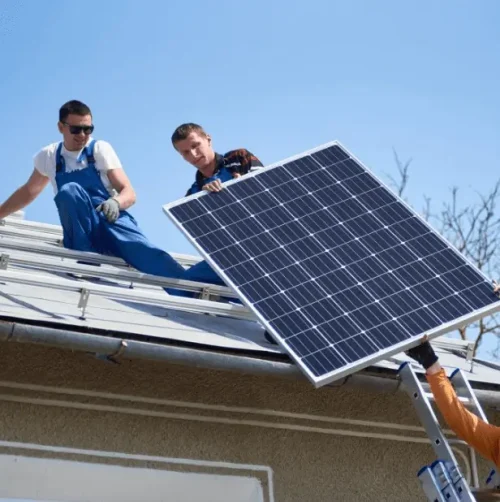
The actual residential solar installation process on your roof is surprisingly quick. Most residential systems go up in just one to three days, depending on system size and roof complexity.
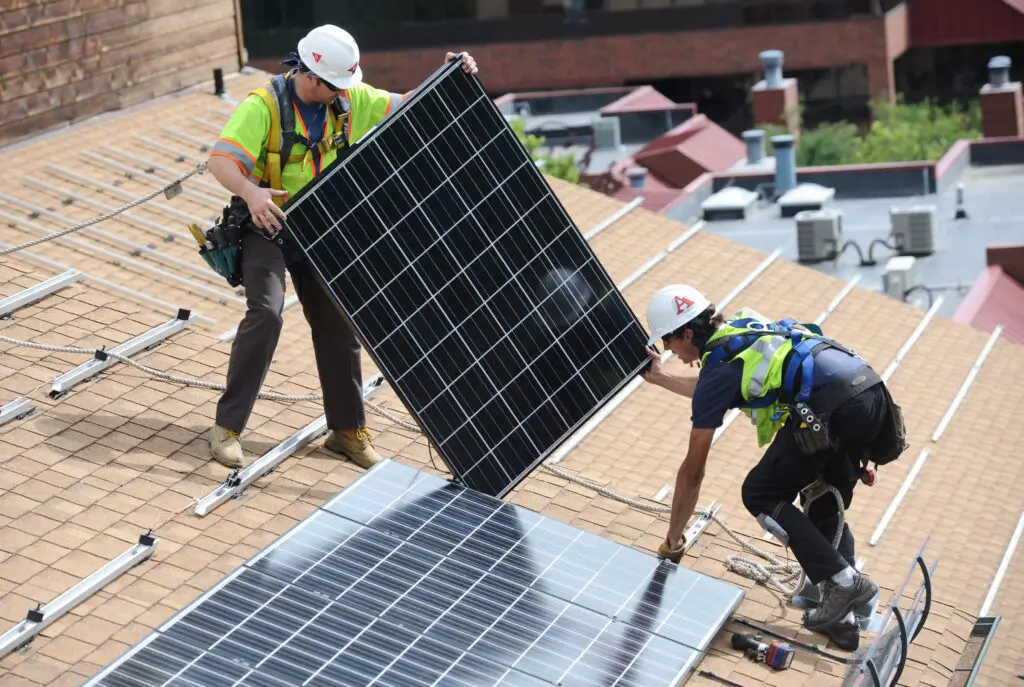
Day one typically involves setting up the racking system that holds your panels. The crew attaches mounting rails to your roof rafters, ensuring everything is level and properly sealed to prevent leaks.
Next comes panel installation. The team lifts panels onto your roof and secures them to the racking. They connect the panels together and run wiring down to your inverter location. The electrical work includes connecting your system to your home’s electrical panel and installing any necessary safety disconnects.
After installation wraps up, a city inspector visits to verify everything meets code requirements. This inspection usually happens within a week or two of your installation, depending on the inspector’s schedule.
The inspector checks electrical connections, grounding, proper labeling, and structural elements. If everything passes, you receive approval to move forward.
Once you pass inspection, the utility company performs a final interconnection check. After their approval, they install a bi-directional meter that tracks both the energy you consume and the excess you send back to the grid.

The final step in your residential solar installation process is activation. Your installer returns to turn on your system and ensure everything operates correctly. They’ll walk you through your monitoring app, showing you how to track your energy production in real time.
This is an exciting moment. You’ll see your panels start generating clean energy immediately. Your installer explains what to expect during different weather conditions and seasons, and reviews basic maintenance requirements.
Several variables affect how quickly your residential solar installation process moves forward. Permitting is the biggest wildcard. Some homeowners sail through in two weeks while others wait six weeks or more.
Weather plays a role too. Denver sees snow, wind, and storms that can delay roof work. Installers avoid working on wet or icy roofs for safety reasons. Spring and fall usually offer the most predictable installation weather.
Your roof condition matters. If your roof needs repairs or replacement before solar installation, add several weeks to your timeline. Smart homeowners address roofing issues first since solar panels last 25-30 years.
You can influence your timeline with a few proactive steps. Respond quickly to any requests from your installer for information or signatures. Delays in returning paperwork create bottlenecks.
If you have an HOA, start that approval process early. Give yourself extra time since some HOAs only meet monthly to review requests.
Clear the installation area before your crew arrives. Move vehicles, outdoor furniture, and anything else that might block access to your roof or electrical panel.
The residential solar installation process in Denver moves through several distinct phases, each of which is important to ensuring your system performs safely and efficiently for decades. While the overall timeline typically spans two to three months, the wait is worth it for the long-term energy savings and environmental benefits.
Ready to start your residential solar installation process? Get your free quote today and take the first step toward energy independence. Our experienced Denver installation team will guide you through every phase, keeping you informed and ensuring a smooth installation from start to finish. The sooner you begin, the sooner you’ll start saving on your energy bills.
Take a look at our reviews and reach out if you need assistance in Colorado Springs or Denver, CO.
Images on this are page from: universe.roboflow.com, environmentamerica.org, energysage.com, and leytonfasteners.co.uk
Powered by Healthy Digital | Privacy Policy
Proudly Serving, Denver, CO, Colorado Springs, CO and surrounding areas.