
When you think of solar energy, you probably picture sunny skies and summer heat, not snow-covered rooftops. But here in Colorado Springs, winter solar panels perform better than most people expect. Cold weather and even snow can influence solar production, but not always in the ways you might think.
It may surprise homeowners to learn that solar panels actually perform more efficiently in cooler temperatures. Like most electronics, they function best when they’re not overheating. So while shorter daylight hours in winter reduce total energy production slightly, cold weather solar systems can convert sunlight into power more efficiently than on scorching summer days.
Colorado Springs’ high altitude also works in your favor. The thinner atmosphere lets in more sunlight, and snow-covered ground can even reflect light back onto your panels, creating a “double exposure” effect that helps offset shorter days.
Heavy snowfall can temporarily block sunlight, but in most cases, snow on solar panels melts quickly or slides off on its own. Solar panels are smooth, dark, and installed at an angle. These are all factors that encourage snow to melt and fall away faster than it does on your roof.
In addition, the small loss of production during a snowstorm is usually minimal over the course of the year. A day or two of snow coverage won’t make a noticeable impact on your annual solar output, especially in sunny Colorado Springs.
If you’re tempted to brush snow off manually, proceed with caution. Using a soft, non-abrasive snow rake is safest. Avoid metal tools or sharp edges that could damage your panels or wiring.
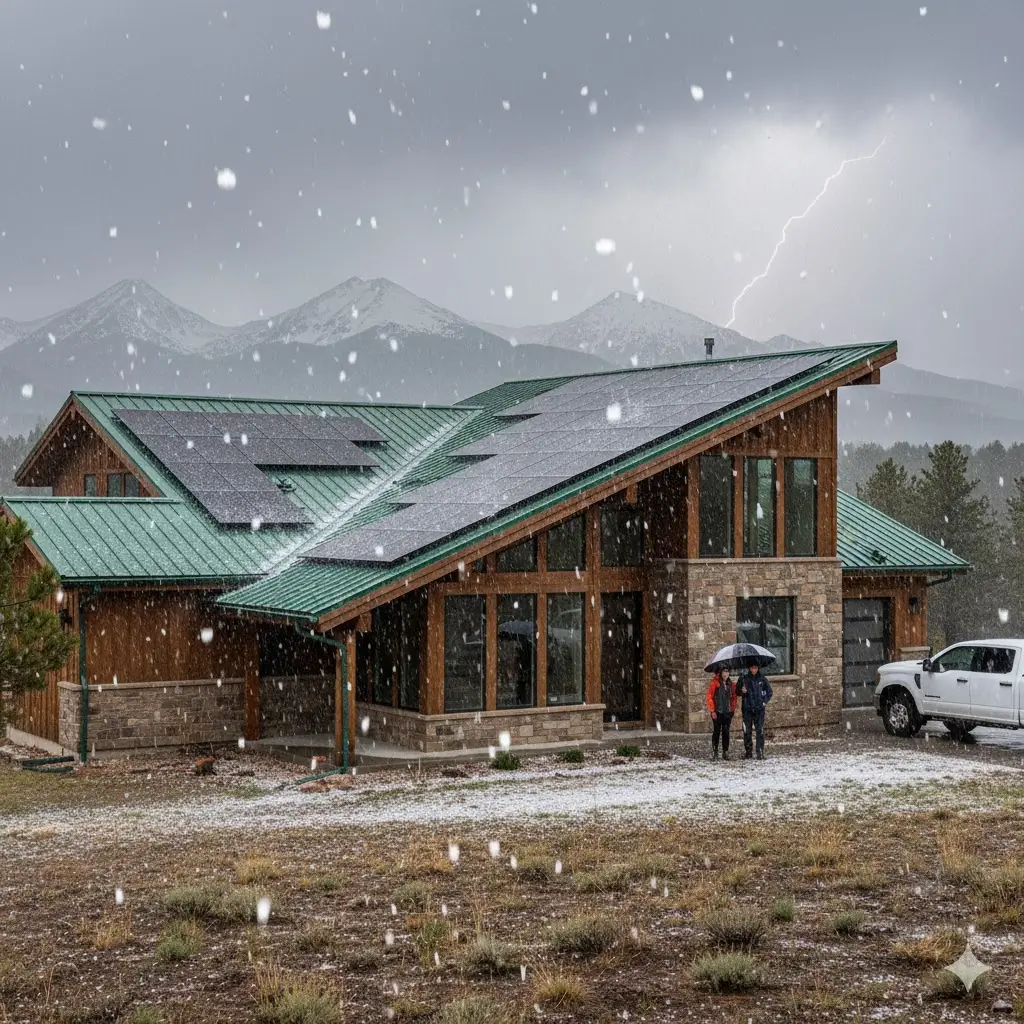
Absolutely. Solar panels are tested to handle extreme cold and high winds, making them perfectly suited for Colorado’s winter conditions. In fact, many systems in mountain regions with heavier snowfall continue to operate efficiently year-round.
Ensure proper installation angle: Panels tilted between 30–45° help snow shed naturally.
Schedule seasonal maintenance: Have your installer inspect wiring and mounting before winter to ensure everything’s secure.
Monitor production: Most modern systems allow online tracking, so you can quickly identify if snow or ice buildup is affecting output.
Keep panels clear when possible – Remove excess snow safely if it lingers for several days.
Trim overhanging branches – More sunlight means faster melting and better exposure.
Add battery storage – Store excess energy generated on sunny days for nighttime or cloudy conditions.
Consider system monitoring alerts – Get notifications if production drops unexpectedly due to snow or debris.
Winter doesn’t mean your solar panels stop working. In fact, cold weather solar systems often run more efficiently thanks to improved conductivity and Colorado’s abundant sunshine. While snow may occasionally reduce output for a day or two, overall performance remains strong throughout the season.
For homeowners in Colorado Springs, investing in solar power is a smart, year-round decision — not just a summer advantage.
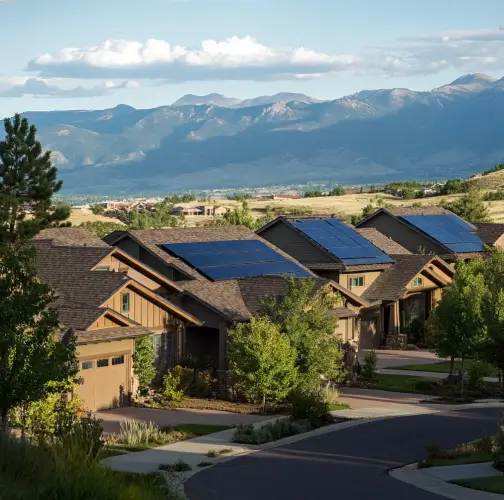
Contact your local residential solar installation experts in Colorado Springs for a free consultation and personalized quote.
Take a look at our reviews!
Powered by Healthy Digital | Privacy Policy
Proudly Serving, Denver, CO, Colorado Springs, CO and surrounding areas.