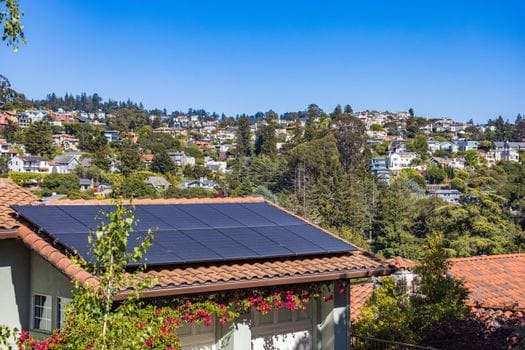
If you are looking into solar energy for your Colorado home, you will quickly come across different solar panel types. Understanding the differences helps you make a confident decision. The three main solar panel types are monocrystalline, polycrystalline, and thin-film. Each has distinct strengths and weaknesses, and knowing which one matches your home and energy goals is key to getting the most out of your investment.
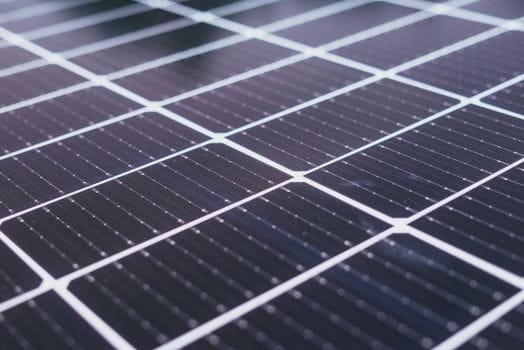
Monocrystalline solar panels are made from a single pure silicon crystal. They are the most efficient type available today, with typical efficiencies between 20% and 23%. In 2023, 98% of all solar cells produced globally were monocrystalline, making them the dominant choice for residential installations. Their high efficiency means you need fewer panels to produce the same amount of electricity, which is especially useful on roofs with limited space. They also have a sleek black appearance that many homeowners prefer. Most new monocrystalline panels now include half-cut cell technology, which improves performance by reducing resistance and allowing the panel to produce power even if part of it is shaded. With a lifespan of 25 to 40 years, monocrystalline panels offer long-term reliability and a strong return on investment for Colorado homeowners.
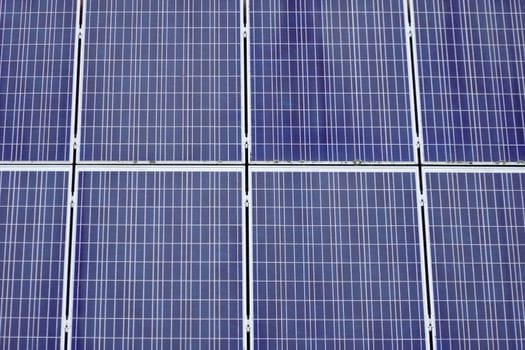
Polycrystalline panels are made from multiple silicon crystals melted together. They are less efficient than monocrystalline panels, typically achieving 15% to 17% efficiency, and have a shorter lifespan. While they were once a popular lower-cost option, polycrystalline panels have largely been phased out of the residential market. According to the National Renewable Energy Laboratory, they accounted for 0% of global production in 2023. For Colorado homeowners considering a new system, polycrystalline panels are not recommended. The few leftover stock panels may be available at a discount, but the efficiency and longevity trade-offs make them a poor choice compared to modern monocrystalline alternatives.
Thin-film solar panels are made by depositing a thin layer of photovoltaic material onto a backing, such as glass, metal, or plastic. They have lower efficiency, typically 7% to 13%, meaning you need much more roof space to generate the same power as crystalline panels. Thin-film panels are flexible and lightweight, making them ideal for portable uses like RVs, boats, and campers. They also perform better in hot climates and low-light conditions compared to crystalline silicon panels. However, for typical residential rooftops in Colorado, thin-film panels are not recommended. Their lower efficiency and shorter lifespan make them less cost-effective for a home solar system. If you have a flat roof with weight restrictions or a unique non-standard surface, thin-film might be worth discussing with a professional installer, but for most homes, monocrystalline remains the sensible choice.
Beyond the three main types, several new technologies are being developed. Perovskite-silicon tandem cells, transparent panels, and solar tiles are not yet widely available for residential use. Perovskite tandem cells could potentially achieve much higher efficiencies than today’s panels, but they are still in the research and pilot stage. Transparent panels and solar tiles offer aesthetic advantages by blending into windows or roofing materials, but they remain less efficient and more expensive. For Colorado homeowners planning a new solar installation now, sticking with proven monocrystalline technology is the smartest path. These emerging solar panel types may become viable options in the coming years, but they are not ready for widespread purchase and installation.
Your decision should be based on your roof space, energy needs, and budget. Monocrystalline panels are the standard for residential solar in Colorado because they provide the best balance of efficiency, durability, and aesthetics. They work well on both south-facing and east/west-facing roofs and can handle Colorado’s varied weather, from sunny days to heavy snow. If you have a small roof or high energy usage, monocrystalline panels maximize power output in a limited area. For larger roofs with simple orientations, the value proposition still leans toward monocrystalline because of its longer lifespan and higher efficiency per watt. Before committing, consult with a local installer who can assess your specific roof conditions and provide a tailored recommendation.
All-black panels are a variant of monocrystalline panels that have a black backsheet and black frame, giving them a uniform dark appearance. They are often slightly more expensive than standard monocrystalline panels but offer a cleaner look that many homeowners find more attractive. Their performance is similar to other monocrystalline panels. If aesthetics matter to you, all-black panels are a great option and are widely available from most solar installers in Colorado.
The type of solar panel you choose works within a system configuration. Most Colorado homeowners choose grid-tied systems, which connect to the local utility grid and allow net metering. Off-grid systems require battery storage and are generally used in remote areas. Hybrid systems combine grid connection with battery backup. Monocrystalline panels function well in all three configurations, and your installer can help you decide which design fits your lifestyle and budget.
Polycrystalline panels are no longer in mainstream production. As of 2023, they made up 0% of global solar cell output. Some leftover inventory may exist, but most reputable solar installers do not offer them for residential rooftop systems. If you come across a deal on polycrystalline panels, be aware that their lower efficiency and shorter lifespan may end up costing more in the long run.
Thin-film panels can be installed on some flat or low-slope residential roofs, especially where weight is a concern. However, their lower efficiency means you need significantly more roof area, and they typically have a shorter warranty. For most Colorado homes with pitched roofs, monocrystalline panels are a much better fit. Thin-film excels in portable and commercial applications, not standard residential roofs.
Monocrystalline panels are the best choice for Colorado’s sunny climate. While thin-film panels perform better in hot temperatures, Colorado’s moderate summers and cold winters favor the higher overall energy production of monocrystalline panels. Their strong snow-shedding characteristics and durability in hail-prone areas make them a reliable option for Front Range homeowners.
Monocrystalline panels typically last 25 to 40 years. Most manufacturers provide a linear performance warranty that guarantees at least 80% to 85% of original output after 25 years. With proper installation and maintenance, many panels continue producing well beyond their warranty period. This long lifespan is one reason they are the preferred choice for residential solar systems.
Perovskite-silicon tandem cells and other emerging technologies are not yet ready for mass-market residential installation. They may offer higher efficiency in the future, but they are still being tested for long-term stability and manufacturing scale. For now, monocrystalline panels provide a proven, reliable solution. Waiting for unproven technology could mean missing out on current tax credits and energy savings. Most experts recommend installing with today’s best available technology and upgrading later if worthwhile.
Powered by Healthy Digital | Privacy Policy
Proudly Serving, Denver, CO, Colorado Springs, CO and surrounding areas.