Choosing a solar installer in Denver is a significant decision that affects your home’s energy costs, property value, and environmental footprint for decades. With many companies offering solar panel installations across the Front Range, asking the right questions before signing a contract helps you compare offers accurately and avoid unexpected surprises. Whether you are considering a grid-tied system or a hybrid setup with battery storage, the following five questions will guide your conversation with any Denver solar company and ensure you have the information needed to make a confident choice. Here are the top 5 questions to ask a Denver solar company before getting started.
Knowing how long a solar company has operated gives you insight into its stability and experience. Ask about the year the company was established and the location of its office. A company with several years in the local Denver market is more likely to understand the specific permitting requirements, utility interconnection rules, and climate conditions that affect solar performance in Colorado. In addition to business longevity, request proof of licensing, insurance, and any relevant certifications. Reputable installers should carry general liability and workers’ compensation insurance, and they should be licensed as electrical contractors in the state of Colorado. Certifications from organizations such as the North American Board of Certified Energy Practitioners (NABCEP) indicate that the company’s staff have met rigorous industry standards. Verifying these credentials protects you from unqualified contractors and gives you peace of mind that the installation will be safe and code-compliant.
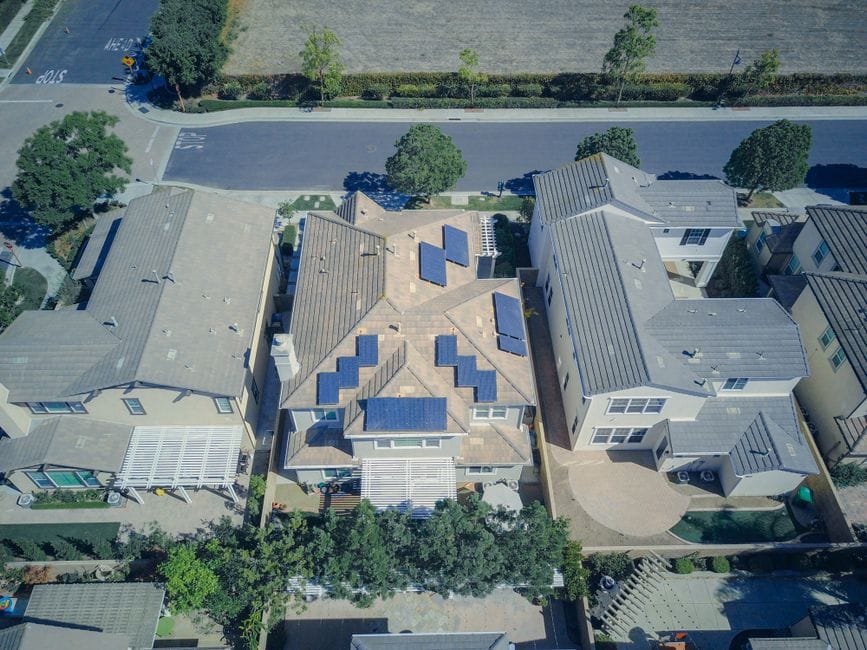
Experience matters, and asking for the number of installations your prospective company has performed in the Denver area helps you gauge their track record. A company that has completed dozens or hundreds of local projects has likely encountered the common roof types, shading issues, and utility policies specific to the region. Request a list of references or case studies of recent installations near your neighborhood. You can also check online reviews from homeowners in Colorado to see how the company handles customer service, project management, and post-installation support. While no number of installations alone guarantees quality, a strong local presence often correlates with better service and faster response times if any issues arise after your system is live.
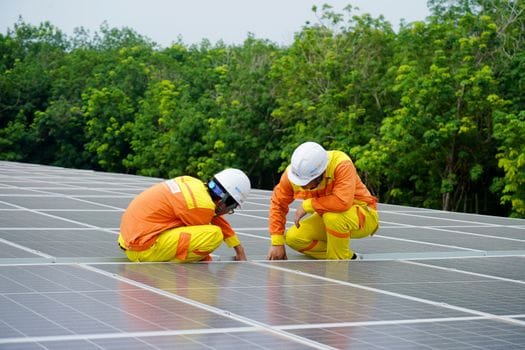
When comparing quotes from different Denver solar companies, you need to understand the system size they propose and the estimated annual energy production. Ask the installer to explain how they calculated the size of the solar array in kilowatts (kW) and the expected kilowatt-hours (kWh) of electricity it will generate each year. This estimate should be based on your historical electricity usage, the orientation and tilt of your roof, shading from nearby trees or buildings, and typical Denver weather patterns. If two companies give you very different production estimates for a similarly sized system, ask them to share their assumptions so you can compare apples to apples. Reliable installers will use industry‑standard modeling software and will be transparent about the factors that influence output. Understanding these numbers helps you forecast your future electricity bill savings and the payback period for your investment.

Solar panel systems typically require a significant upfront investment, but most homeowners in Denver finance their installations through loans, leases, or power purchase agreements (PPAs). Ask the company to clearly explain the options they offer, including any zero‑money‑down programs. Inquire whether the panels will be owned by you or leased from the installer. Ownership allows you to take advantage of federal tax credits and any state or local incentives, while leases and PPAs may transfer those benefits to the third‑party owner. Denver homeowners currently qualify for the federal solar investment tax credit, and Colorado offers additional incentives such as property tax exemptions for solar systems. The company should provide a written breakdown of all expected costs, rebates, and tax credits applicable to your situation. Avoid any installer that pressures you to sign before you have compared financing terms from multiple sources. Confirm whether the company charges any fees for loan origination or early payoff, and ask if the financing terms include escalator clauses that could raise your monthly payments over time.
A solar installation involves several steps beyond simply mounting panels on your roof. The process includes site assessment, engineering, applying for permits from the city or county, scheduling a utility interconnection, and a final inspection. Ask your potential installer for a realistic timeline from contract signing to system activation. Many Denver companies complete the permitting and installation within a few weeks to a few months, depending on local permit backlogs and utility processing times. Inquire who handles the permitting paperwork and any fees associated with it. A reputable company will manage the entire permitting and inspection process on your behalf. Also ask about the installation crew: will the work be done by company employees or subcontracted labor? Understanding the crew’s training and the supervision structure helps ensure a professional installation. Finally, clarify the warranty coverage on the panels, inverters, and workmanship. Most solar panels carry a 25‑year performance warranty, but the workmanship warranty varies by installer. Knowing these details before you sign prevents misunderstandings later.
Asking these five questions helps you evaluate a Denver solar company beyond the initial sales pitch. Each question addresses a critical aspect of the project: company reliability, local experience, technical accuracy, financial clarity, and project management. Taking the time to get thorough answers allows you to compare multiple proposals on a level playing field and select the installer that best meets your needs. After you have gathered responses from two or three companies, review the details at home with your spouse or a trusted advisor before making a commitment. A well‑chosen solar company will be happy to answer all your questions and provide written documentation for every claim they make.
Solar panels can increase a home’s resale value, especially in a market like Denver where many buyers are interested in energy savings and sustainability. The exact amount depends on factors such as system size, age, local real estate trends, and whether you own the panels outright. Ask your installer if they have data on recent home sales with solar in your neighborhood.
Net metering is a billing arrangement that credits solar homeowners for the excess electricity they send back to the grid. In Colorado, most investor‑owned utilities offer net metering, but the specific rates and rules can vary by utility provider. Ask your potential solar company how net metering applies to your utility and what happens to credits at the end of each billing cycle.
Most modern solar panels are designed to produce electricity for 25 to 30 years or more, with a gradual decline in output over time. Manufacturers usually provide a performance warranty guaranteeing that panels will produce at least 80% of their rated power after 25 years. The inverter, which converts DC to AC power, may need replacement after 10 to 15 years. Your installer can explain the specific warranties for the equipment they recommend.
Powered by Healthy Digital | Privacy Policy
Proudly Serving, Denver, CO, Colorado Springs, CO and surrounding areas.