Denver enjoys more than 300 days of sunshine each year, making it one of the best places in the country to install solar panels. With the potential to lower your electricity bills and reduce your environmental impact, going solar is an attractive option for many homeowners. But finding the right Denver solar installer requires more than picking a name from a list. The company you choose will design, permit, and install a system that should work reliably for decades. This article walks you through the key factors to consider and introduces several local installers you can evaluate.
Colorado’s capital sits at a high altitude with abundant clear days. Denver’s 300+ days of sunshine provide excellent solar resource, meaning your panels can generate significant power year-round. The city also supports solar growth through community solar programs, though many projects have waitlists. Homeowners can also take advantage of net metering through Xcel Energy and federal tax credits. Choosing an experienced local installer ensures your system is designed to maximize production under Colorado’s specific climate and utility rules.
Not all solar companies offer the same level of service, experience, or guarantees. When comparing Denver solar installers, focus on these core categories.
Solar installation is a long-term investment. A company with years of experience has refined its processes and understands local permitting, utility requirements, and weather-related design considerations. For example, Namaste Solar has been operating in Colorado for 21 years, giving it deep knowledge of the local market. ARE Solar states it has decades of experience, while companies like Golden Solar and Go Green Electric also serve the area but do not publicly specify their years of operation. Ask each installer how long they have been in business and how many installations they have completed in your neighborhood.
Certifications indicate that a company’s installers meet industry standards. Look for NABCEP (North American Board of Certified Energy Practitioners) certification, which is the most recognized credential for solar professionals. ARE Solar, for instance, employs NABCEP-certified installers along with master electricians and structural engineers. Master electricians ensure that all electrical work meets code, while structural engineers verify that your roof can support the panels. Always ask a prospective installer about the qualifications of the team that will work on your home.
A quality warranty protects your investment. The best Denver solar installers offer a comprehensive warranty covering equipment, workmanship, and system performance. ARE Solar provides a lifetime warranty on its installations. Other companies may offer similar terms, but the length and detail can vary. Make sure you receive written documentation of what is covered, for how long, and how claims are handled.
Solar can be expensive upfront, but financing makes it more accessible. Many installers offer zero-down financing, meaning you can start saving on electricity without a large initial payment. ARE Solar is one company that advertises zero-down financing. When speaking with any installer, ask about loan rates, terms, and whether they offer leases or power purchase agreements. Avoid companies that pressure you into signing without explaining all options.
The research identifies several established local companies. While none can be declared the “best” for every home, each has strengths you can evaluate against your priorities. Below is a summary of what is known about these installers.
| Company | Key Facts |
|---|---|
| Namaste Solar | 21 years in business; 100% employee-owned; Certified B Corporation. Serves residential and commercial customers. Strong community reputation. |
| ARE Solar | Decades of experience; NABCEP-certified installers; master electricians and structural engineers on staff; zero-down financing; lifetime warranty; project at Denver International Airport. |
| Golden Solar | Offers design, development, and installation of PV systems for residential and commercial properties. |
| Go Green Electric | Full-service solar installer; designs and builds custom solar installations for homes and businesses. |
This table is not exhaustive. You can also check resources like EnergySage, Solar United Neighbors, and Xcel Energy for community solar opportunities, though many lists have waitlists. Yelp and other review platforms let you read neighbor experiences, but treat individual ratings as one data point.
Before signing a contract, schedule consultations with at least three companies. Use this list of questions to gather consistent information:
The answers will help you compare not only pricing but also professionalism and long-term support.
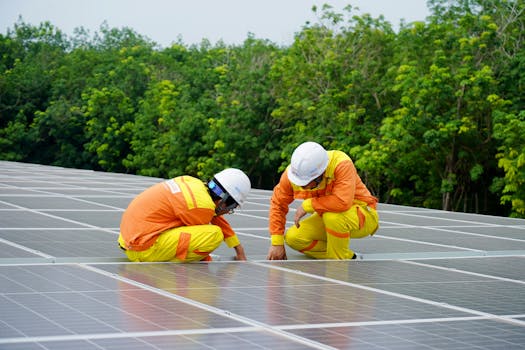
A good Denver solar installer will perform a thorough site assessment. They should review your past electricity bills to size the system properly, inspect your roof’s age, orientation, and shading, and discuss whether a ground-mounted system could be an alternative. Your roof’s condition matters: if it needs replacement soon, installing solar before a new roof can complicate matters. Many installers recommend replacing an aging roof first.
You should also ask about system types. Most residential installations are grid-tied, meaning you remain connected to the utility and can use net metering to earn credits for excess power. Off-grid and hybrid systems include battery storage, which provides backup during outages but adds cost. Denver’s reliable grid makes grid-tied the most common choice, but if you want energy independence, discuss battery options with your installer.
Because solar is a significant financial decision, take steps to verify what companies tell you. Check with the Colorado Secretary of State to confirm a business is registered and in good standing. Ask for proof of insurance and licensing. Read contracts carefully, especially the fine print about warranty exclusions, performance guarantees, and escalation clauses if costs change. Never feel rushed; a trustworthy installer will give you time to review documents and compare quotes.
Another common mistake is focusing only on the lowest price. A cheap system may use lower-quality panels or inexperienced labor, leading to problems later. Instead, weigh the total value: equipment brand, warranty length, company experience, and customer service. A slightly higher upfront cost may save you money in repairs and lost production over the life of the system.
Start your search by listing companies that match your values and budget. Denvery has several reputable local options. Namaste Solar stands out for its employee-owned, B Corp status and long history. ARE Solar is notable for its credentials, lifetime warranty, and zero-down financing. Golden Solar and Go Green Electric also offer full-service installation. Request quotes from multiple installers, ask the questions listed above, and check references. Remember that a good installation is about more than panels, it is about a relationship with a company that will support your system for years to come.
Start by researching companies with verifiable experience, NABCEP certifications, and good warranties. Ask for local references and read online reviews from multiple platforms. Verify business licenses and check for any complaints with the Better Business Bureau. Schedule in-home consultations with at least three installers to compare proposals and ask detailed questions.
Yes. Federal tax credits allow you to deduct a percentage of your solar installation cost from your federal taxes. Colorado also offers a state tax credit for residential solar, and Xcel Energy provides net metering credits for excess electricity sent to the grid. For specific current rates and eligibility, check the official Colorado Energy Office or Xcel Energy website, as programs can change.
Costs vary widely based on system size, equipment choices, roof complexity, and installer pricing. The research pack does not provide specific average costs for Denver. To get an accurate estimate, request detailed quotes from multiple installers that include equipment, labor, permits, and any applicable incentives. Many companies offer free consultations and no-obligation estimates.
Yes, but it is usually best to fix your roof first. Solar panels are designed to last 25 to 30 years, so you do not want to remove and reinstall them soon after installation to replace shingles. A good Denver solar installer will inspect your roof and advise whether repairs or replacement are needed before installing panels.
Community solar allows multiple households to share the benefits of a single solar array, often with a subscription model. In Denver, you can find community solar projects through EnergySage, Solar United Neighbors, or Xcel Energy. Many programs have waitlists, so start your search early. Your subscription typically offsets a portion of your electricity bill.
Powered by Healthy Digital | Privacy Policy
Proudly Serving, Denver, CO, Colorado Springs, CO and surrounding areas.