
Your solar investment deserves the best solar panel protection, especially in areas prone to severe weather. Colorado Springs, CO experiences its fair share of hailstorms and heavy snowfall, making weatherproof solar systems a practical necessity rather than a luxury. When hail the size of golf balls comes crashing down or snow piles up several inches thick, your panels face real risks that can affect both performance and longevity.
The good news? Most modern solar panels are built tough. They’re designed to handle significant impacts and weight loads. But understanding how to add extra layers of protection can save you thousands in repair costs and keep your energy production running smoothly year-round.
Hail damage to solar panels happens more often than most people think. The severity depends on several factors: the size of the hailstones, wind speed during the storm, and the angle at which hail strikes your panels.
Small hailstones (under one inch) rarely cause problems for quality solar installations. Your panels can typically handle these without breaking a sweat. Larger hail, though, creates a different story. Stones over two inches in diameter can crack the tempered glass surface or damage the photovoltaic cells underneath.
According to the National Renewable Energy Laboratory (NREL), solar panels must pass rigorous testing that includes simulated hail impacts.The standard test involves firing ice balls at panels at speeds up to 50 mph. Most panels pass this test, but extreme weather events can exceed these conditions.
Micro-cracks are another concern. These tiny fractures might not be visible immediately but can expand over time, reducing your system’s efficiency and potentially leading to complete panel failure down the road.

Today’s weatherproof solar panels come with several protective features right out of the box. The tempered glass covering your panels is typically 3-4mm thick and specially treated to resist impacts. This glass is about four times stronger than regular glass.
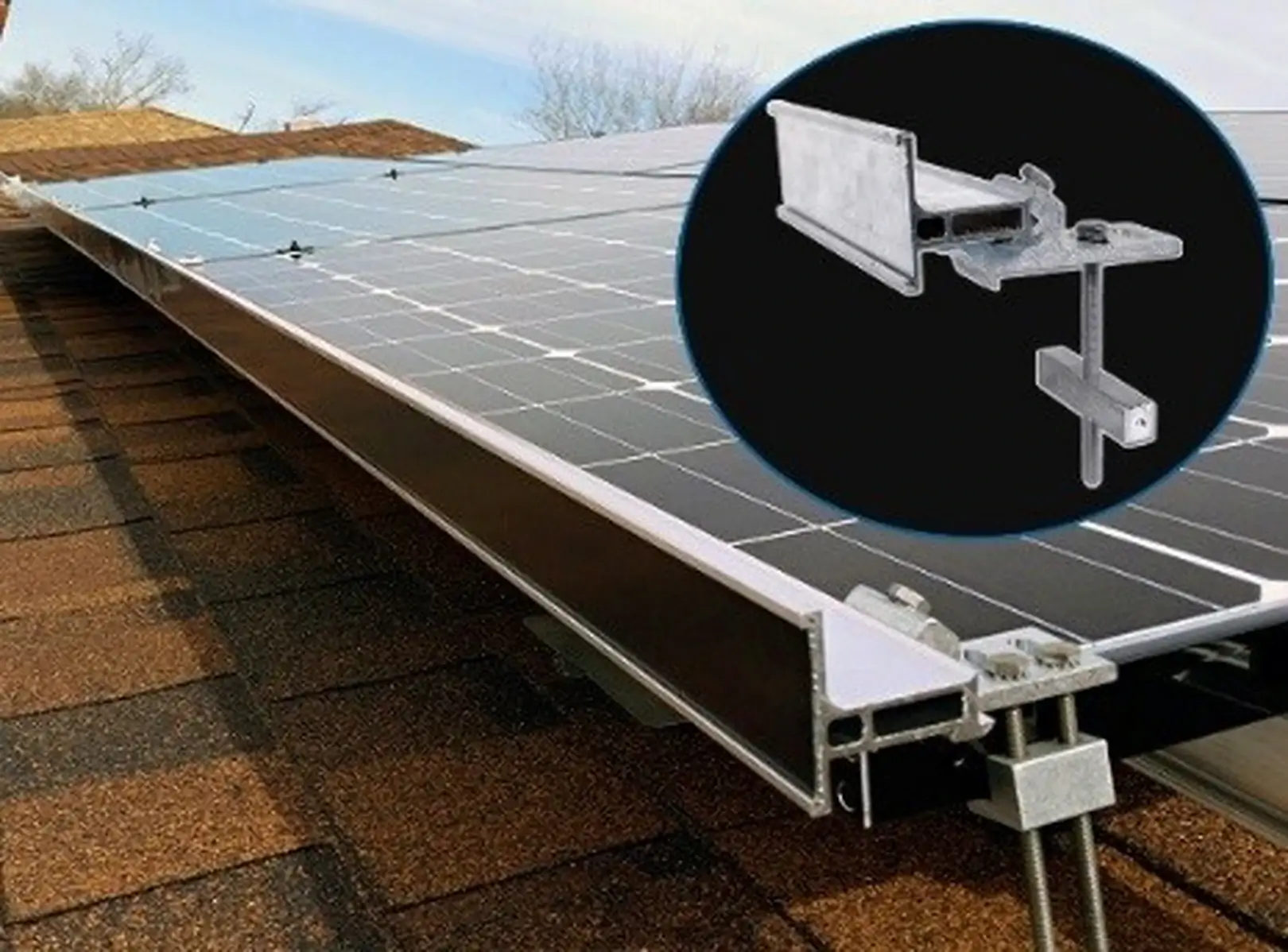
The frame design also plays a role in protection. Aluminum frames provide structural support and help distribute impact forces across the panel rather than concentrating them in one spot. Some manufacturers now offer reinforced frames specifically for hail-prone regions.
The mounting system matters too. Properly installed panels sit at an angle, which helps hail glance off rather than striking directly. This angled installation also prevents snow accumulation, reducing weight stress on your panels.
Anti-reflective coatings on modern panels serve double duty. They boost energy absorption while also adding a protective layer against the elements.
Adding hail guards or protective screens gives your panels extra armor during severe weather. These mesh or polycarbonate covers install above your panels, absorbing hail impacts before they reach the glass surface. The trade-off? They can slightly reduce energy production by blocking some sunlight, but many property owners in hail-prone areas find the protection worth it.
You might consider retractable covers that you can deploy when storms approach. These work like outdoor furniture covers, providing temporary protection without permanently affecting your energy output.
Insurance coverage specific to solar installations is another smart protective measure. Standard homeowner’s policies might not fully cover solar panel damage, so check with your insurance provider about adding a solar equipment rider. In Colorado Springs, where hail season runs from April through September, this extra coverage provides valuable peace of mind.
Monitoring systems help you catch damage early. Many modern solar setups include apps that track your energy production. A sudden drop in output after a storm could signal hail damage that needs attention.
Snow creates different challenges than hail. The main concern is weight. While most solar panels can support significant loads (typically 50 pounds per square foot or more), excessive snow buildup can strain mounting systems and even damage roofs.
Your panel’s tilt angle naturally helps shed snow. Installations with steeper angles (30 degrees or more) typically clear themselves as the sun warms the panels and the snow slides off. Flatter installations might need occasional clearing.
Should you clear snow yourself? Approach this carefully. Using the wrong tools or techniques can scratch your panels or crack the glass. If you must clear snow, use a soft snow rake designed for solar panels, working from the ground when possible. Never climb onto a snowy roof.
The dark surface of solar panels actually works in your favor. They absorb heat from sunlight, creating a natural melting effect that helps clear light snow accumulation. You’ll often notice your panels clearing before your roof does.
Snow guards installed at the lower edge of your panels prevent dangerous avalanches of sliding snow. These small devices hold snow in place until it melts, protecting people, landscaping, and property below your installation.
Colorado Springs presents unique challenges for solar panel protection. The city sits at 6,035 feet elevation, where hailstorms can be particularly intense. The combination of high altitude, temperature fluctuations, and strong UV exposure means your panels face a demanding environment.
Local building codes reflect these conditions. Solar installations in the region must meet specific wind and snow load requirements. Working with experienced local solar panel installers ensures your system is properly rated for our climate.
The hail season here peaks in May and June, though storms can happen any time from spring through early fall. Staying alert during these months and having a protection plan ready makes good sense.
Winter brings heavy, wet snow that can accumulate quickly. Your panels need adequate tilt and proper mounting to handle these periodic heavy loads without damage.
Regular inspections catch problems before they become expensive repairs. Walk around your property after major storms, looking for visible cracks, chips, or other damage. Even if everything looks fine, annual professional inspections are smart investments.
Keep your panels clean. Dirt, leaves, and debris can trap moisture against the glass surface, potentially leading to corrosion or other damage over time. Clean panels also produce more energy, giving you better return on your investment.
Check your mounting hardware periodically. Loose bolts or degraded seals can compromise your system’s structural integrity, making it more vulnerable to weather damage. Tighten any loose connections and replace worn components promptly.
Trim nearby trees that could drop branches onto your panels during windstorms. This simple preventive step protects against physical damage while also reducing shade that cuts into your energy production.
Document your system’s baseline performance. Knowing your typical energy output makes it easier to spot problems quickly when they occur.
Some damage requires expert attention. If you notice cracks in the glass, water infiltration, or significant drops in energy production, contact a qualified solar technician right away. Small problems can quickly become big ones if left unaddressed.
After severe hailstorms, professional inspections are valuable even if you don’t see obvious damage. Those micro-cracks mentioned earlier might not be visible to the untrained eye but can show up during professional testing.
Electrical issues always need professional help. If you notice sparking, burning smells, or your system stops producing power entirely, shut it down and call for service immediately.
Contact your local residential solar installation experts in Colorado Springs for a free consultation and personalized quote.
Protecting your solar panels from hail and snow damage comes down to three things: choosing quality equipment, maintaining your system properly, and staying alert to weather conditions. Your panels are tough, but smart solar panel protection strategies extend their life and keep them producing clean energy efficiently.
In Colorado Springs, where extreme weather is part of life, taking these precautions pays off. Your solar investment represents a significant commitment to both your finances and the environment.
Ready to install a weatherproof solar system built to handle Colorado’s toughest weather? Get a free quote today and talk with our experienced team about the best protection options for your property. Your solar panels should work hard for you for decades to come, and proper protection from day one makes that goal achievable.
Take a look at our reviews and reach out if you need assistance in Colorado Springs or Denver, CO.
Images on this are page from: universe.roboflow.com, environmentamerica.org, energysage.com, and leytonfasteners.co.uk
Powered by Healthy Digital | Privacy Policy
Proudly Serving, Denver, CO, Colorado Springs, CO and surrounding areas.